English
 English


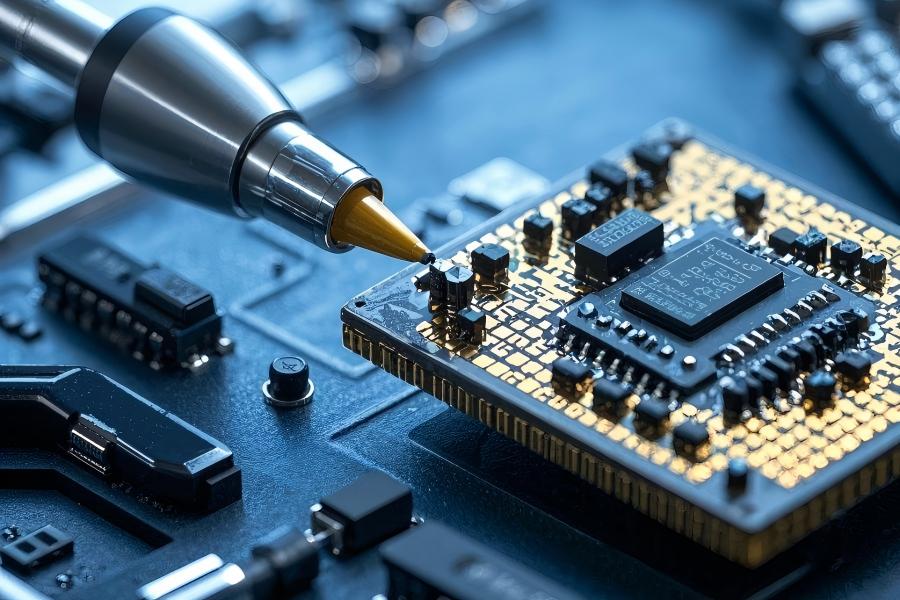
The electronic and electrical industry covers consumer electronics, household appliances, power supplies, relays, sensors, high-voltage components and passive devices. These products work under diverse conditions and require reliable insulation, heat resistance, high-frequency stability, breakdown voltage resistance, moisture and corrosion resistance, and precise dimensional control. Advanced ceramics such as alumina, aluminum nitride, zirconia and barium titanate feature excellent electrical insulation, tunable dielectric properties, high-temperature tolerance, low thermal expansion and high mechanical strength. They serve as fundamental materials for passive electronic parts, power electrical appliances and miniaturized electronic modules, supporting the trend toward compact size, higher power, greater reliability and higher operating frequency.
1. Ceramic Substrates for Circuitry and Thermal Management
Alumina ceramic substrates are the most widely adopted advanced ceramics in electronics. They are commonly used in switching power supplies, LED lighting drivers and household appliance control boards, providing mechanical support, electrical isolation and moderate heat dissipation. Aluminum nitride substrates offer superior thermal conductivity and are selected for high-end fast chargers, high-frequency power supplies and high-power appliance controllers to efficiently dissipate heat from power semiconductors. Dense ceramic substrates resist solder corrosion and are compatible with thick-film and thin-film circuits, fitting well into automated SMT assembly lines.
2. Passive Electronic Components: Capacitors, Resistors and Filters
Barium titanate-based ceramics form the dielectric layer of multilayer ceramic capacitors (MLCCs), which are massively deployed in mobile phones, chargers and home appliance mainboards for voltage stabilization, filtering and decoupling. Alumina ceramics act as supporting bases for fixed and high-voltage resistors. Piezoelectric ceramics are the core material for ceramic resonators and surface acoustic wave (SAW) filters used in remote controls, Bluetooth modules and wireless communication circuits of smart home devices, stabilizing high-frequency signals and reducing interference.
3. High-Voltage Electrical Parts, Relays and Switches
Insulating ceramic components are essential inside vacuum switches, contactors, relays and fuses. Alumina ceramic envelopes, arc-extinguishing housings and insulating posts withstand high-voltage electric arcs, confine plasma and prevent arc spreading, improving switching capacity and operational safety. Zirconia ceramics are used for wear-resistant contact bases of micro switches and waterproof keys. They endure millions of switching cycles without metallic debris or welding, extending service life for washing machines, ovens and power inverters.
4. Carriers for Sensors and Heating Elements
Temperature, gas and humidity sensors often use advanced ceramics as substrates and packaging shells. Porous ceramics create gas-permeable structures for gas sensors while supporting sensitive coatings. Alumina-based MCH ceramic heating elements are widely used in kettles, hair dryers, space heaters and hair stylers. They heat rapidly with uniform temperature distribution and safe electrical isolation. Compared with metallic heating elements, ceramic heaters have better oxidation resistance and longer service life. Ceramics also provide insulation and fixation for thermocouples and NTC thermistors.
5. Precision Structural and Sealing Parts for Consumer Electronics
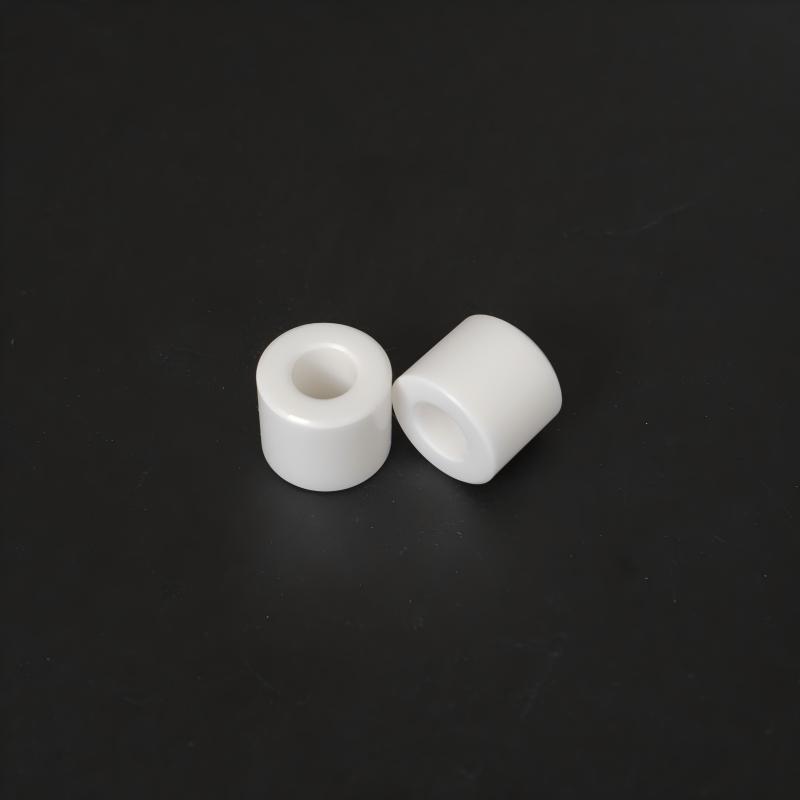
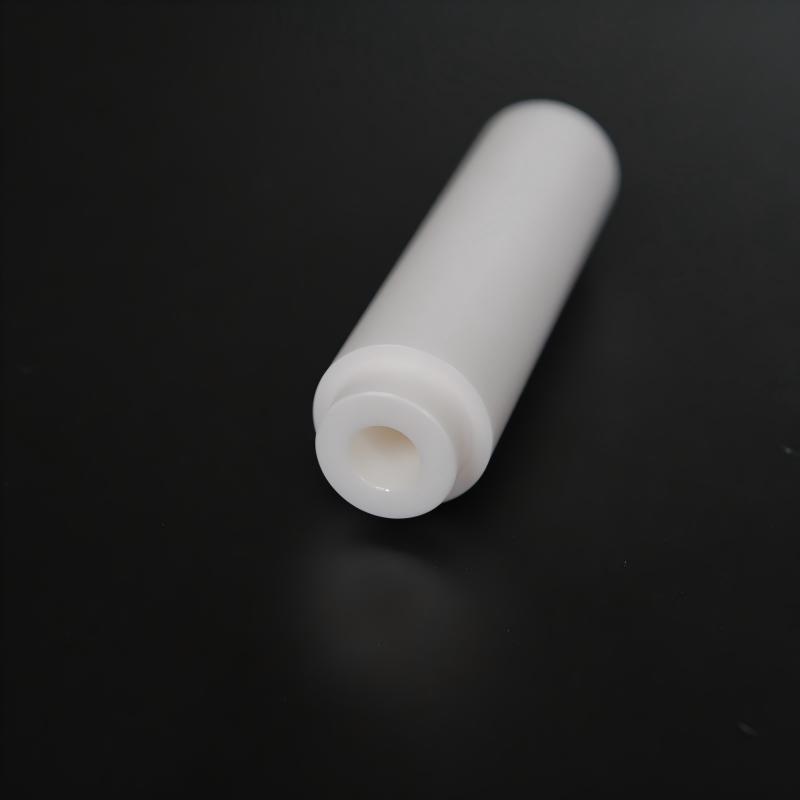
Zirconia ceramics are hard, smooth, wear-resistant and corrosion-free. They are manufactured into camera bezels, fingerprint covers, smartwatch cases and buttons for wearable devices. Alumina insulating sleeves and locating pins are fitted into miniature motors and vibration motors to isolate winding voltages. Ceramic sealing rings and plungers are applied in micro water pumps and electric spray devices. They resist water and detergent erosion and maintain accurate fluid control.
Industry Benefits and Outlook
Advanced ceramics mitigate common failures including insulation breakdown, thermal damage, contact abrasion and high-frequency signal distortion. They enable component miniaturization and raise product safety grades and service life. Driven by fast charging technology and smart home adoption, demand for ultra-thin substrates, high-dielectric ceramics and piezoelectric ceramics keeps expanding. Research focuses on low-loss dielectric powders and low-temperature co-fired ceramic (LTCC) multilayer technology to realize highly integrated modules.
Conclusion
From MLCCs and thermal substrates to heating elements, arc suppression components and decorative structural parts for consumer electronics, advanced ceramics combine controllable dielectric performance, insulation, heat resistance and wear resistance. They run through the whole electronic and electrical supply chain and are indispensable enabling materials for stable operation of consumer electronics, industrial electric devices and smart home systems.