English
 English


Mechanical equipment — including construction machinery, machine tools, pumps and valves, mining machinery, textile and printing/packaging machines — operates under heavy loads, high speeds, wear and corrosion. The wear resistance, precision stability and reliability of its critical components directly determine equipment performance and service life. Advanced ceramics, with ultra-high hardness, heat resistance, wear resistance, self-lubrication, electrical insulation and chemical stability, are gaining increasingly wide application in core parts of mechanical equipment, serving as key materials to improve precision, durability and maintenance convenience.
1. Wear-Resistant Components
Mechanical equipment contains numerous sliding, rotating and contacting surfaces. Metal parts wear out quickly in dust-laden, sand-laden and high-speed friction environments. Alumina, silicon carbide and zirconia ceramics are extremely hard, making them ideal anti-wear materials.
Typical applications:
• Ceramic liners, ceramic-lined chutes and pipes in mining machinery and conveying equipment;
• Ceramic impellers and ceramic linings in pumps and valves subject to erosion;
• Ceramic wear pads and seal rings at high-load contact points.
2. Bearings and Bushings (Friction-Reducing, Self-Lubricating Parts)
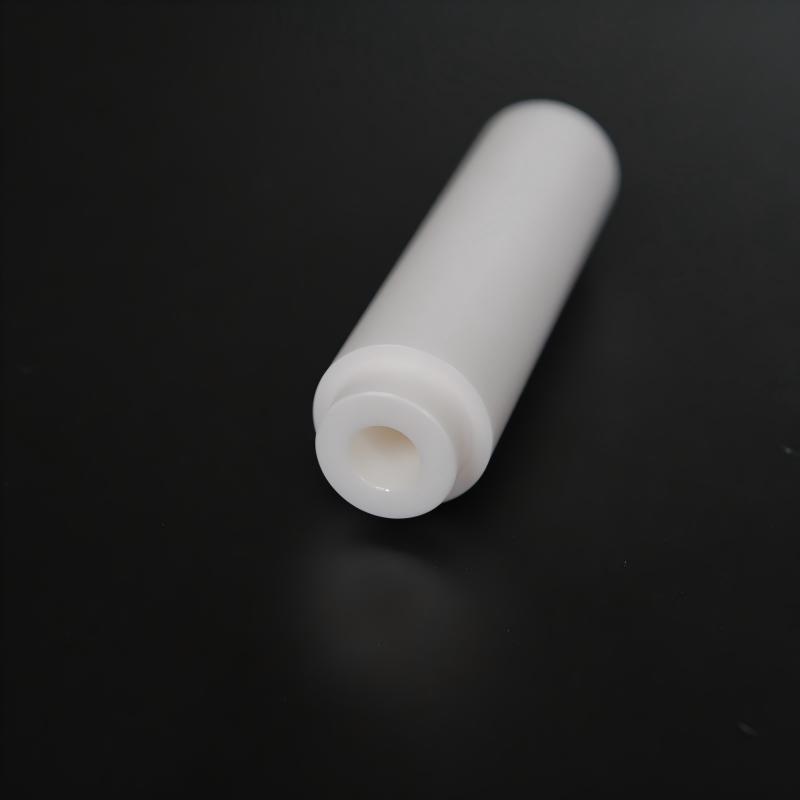
Silicon carbide and silicon nitride ceramics feature low density, high hardness, low friction coefficient and low thermal expansion, making them suitable for bearings and bushings. Where normal lubrication is impossible or media are contaminated, ceramic bearings maintain stable operation and extend life.
Typical applications:
• Hybrid ceramic bearings (ceramic balls with steel races) for high-speed spindles of machine tools and precision equipment;
• Ceramic bushings in pumps operating under chemical or sewage conditions;
• Ceramic sliding bearings in oil-free or hard-to-lubricate environments.
3. Cutting Tools and Tooling
Advanced ceramic tools — based on zirconia, silicon carbide, silicon nitride and Al₂O₃–TiC — feature high hardness and high hot hardness, making them ideal for high-speed and dry cutting. They significantly improve machining efficiency and surface quality while reducing cutting-fluid usage.
Typical applications:
• Ceramic inserts for turning and milling of cemented carbide and hardened steel;
• High-speed precision cutting and machining of difficult-to-machine materials.
4. Seals and Friction Pairs
Mechanical seals, piston rings and valve seats are widely used in mechanical equipment. Ceramics offer chemical stability, low friction and high hardness, effectively resisting abrasive wear and media corrosion.
Typical applications:
• Silicon carbide/zirconia end-face pairs in pump and compressor mechanical seals;
• Ceramic valve cores and seats in high-temperature, high-pressure valves;
• Ceramic piston rings and guide rings in hydraulic and pneumatic systems.
5. Precision Measurement and Positioning Components
Advanced ceramics have low thermal expansion, high dimensional stability, high rigidity and are non-conductive, making them suitable as structural and measuring components of precision equipment, improving positioning accuracy and thermal stability.
Typical applications:
• Ceramic bases, beams and guideways in coordinate measuring machines and lithography equipment;
• Ceramic gauges and standard blocks as precision measuring elements;
• Ceramic insulating structural parts in electronic and precision machinery.
6. Insulation and Electrical Accessories
Alumina and aluminum nitride ceramics offer excellent electrical insulation, and some also provide thermal conductivity, for use in equipment electrical systems.
Typical applications:
• Ceramic insulating washers and terminal blocks in motors and electrical equipment;
• Ceramic substrates and insulators in electric heating equipment and power modules;
• Ceramic insulating structures in high-voltage equipment.
Industry Value and Outlook
Adopting advanced ceramics improves wear resistance, extends maintenance cycles and reduces downtime losses, while enhancing energy efficiency and reliability through lightweighting and self-lubrication. With progress in ceramic toughening technology, ceramic–metal composites and 3D-printed ceramic forming, the cost and brittleness limitations are expected to be further mitigated, and the share of ceramics in mechanical equipment will keep rising.
Conclusion
With their combined advantages of wear resistance, high-temperature resistance, self-lubrication, insulation and dimensional stability, advanced ceramics play an increasingly important role in wear parts, bearings and bushings, cutting tools, seals and friction pairs, precision components and electrical accessories of mechanical equipment. They are a key material driving the upgrading of equipment toward high precision, long service life and green operation.