English
 English


The new energy industry covers lithium batteries, photovoltaics, hydrogen energy, fuel cells, energy storage and wind power. Its manufacturing and operating scenarios are often characterized by high voltage, high temperature, strong corrosion, frequent friction and electrolyte erosion, which set strict standards for insulation, thermal conductivity, corrosion resistance and dimensional stability of materials. Advanced ceramics such as alumina, aluminum nitride, silicon carbide, zirconia and silicon nitride feature excellent electrical insulation, high thermal conductivity, corrosion resistance, low dielectric constant and thermal stability. They have become core materials for new energy equipment, cell manufacturing and power conversion systems, supporting the industry’s upgrade toward higher voltage, higher power, longer service life and improved safety.
1. Components for Lithium Batteries and Energy Storage
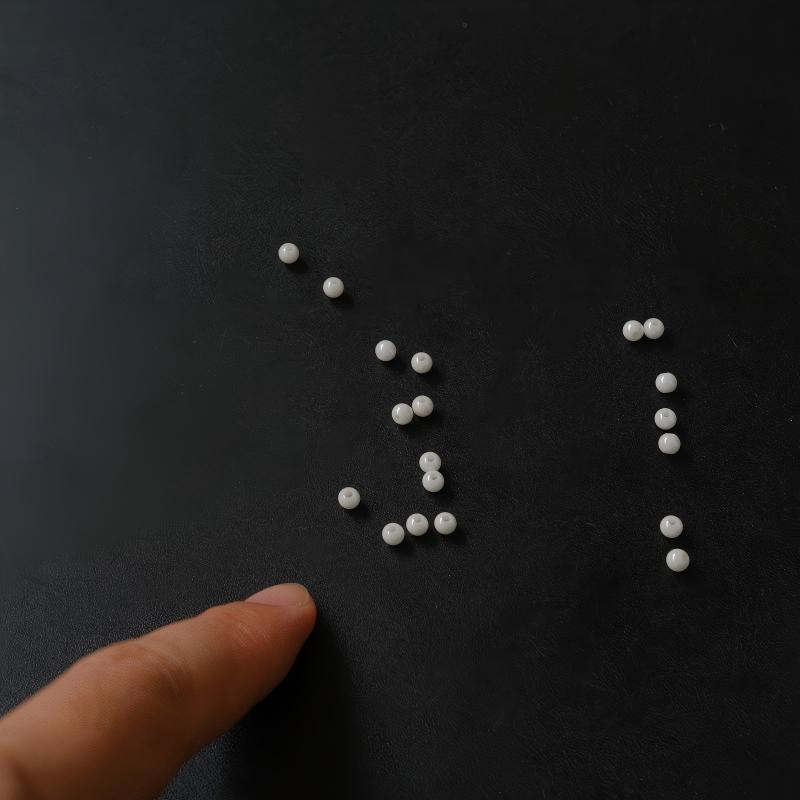
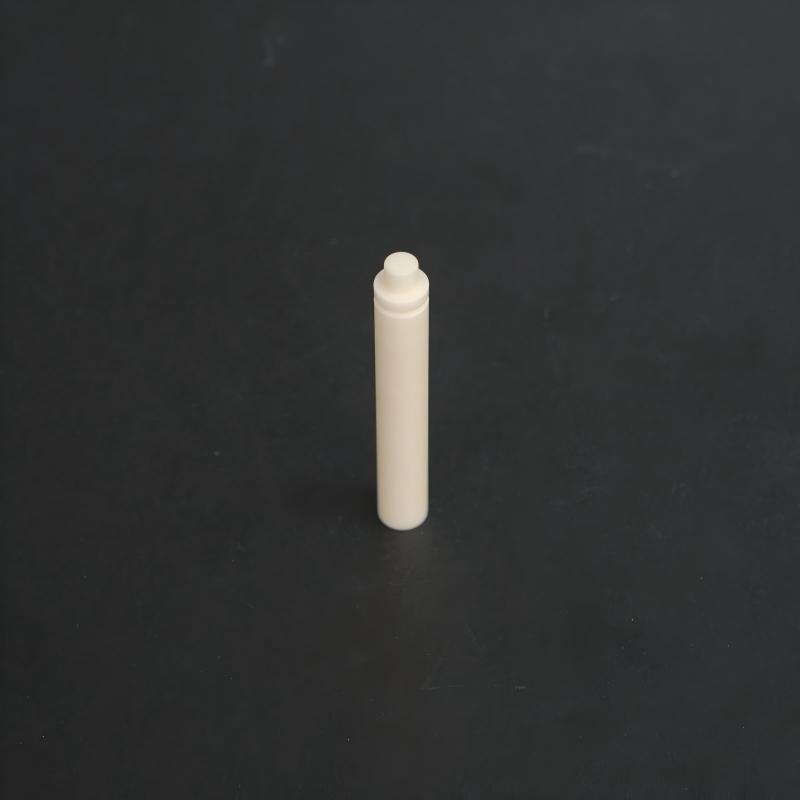
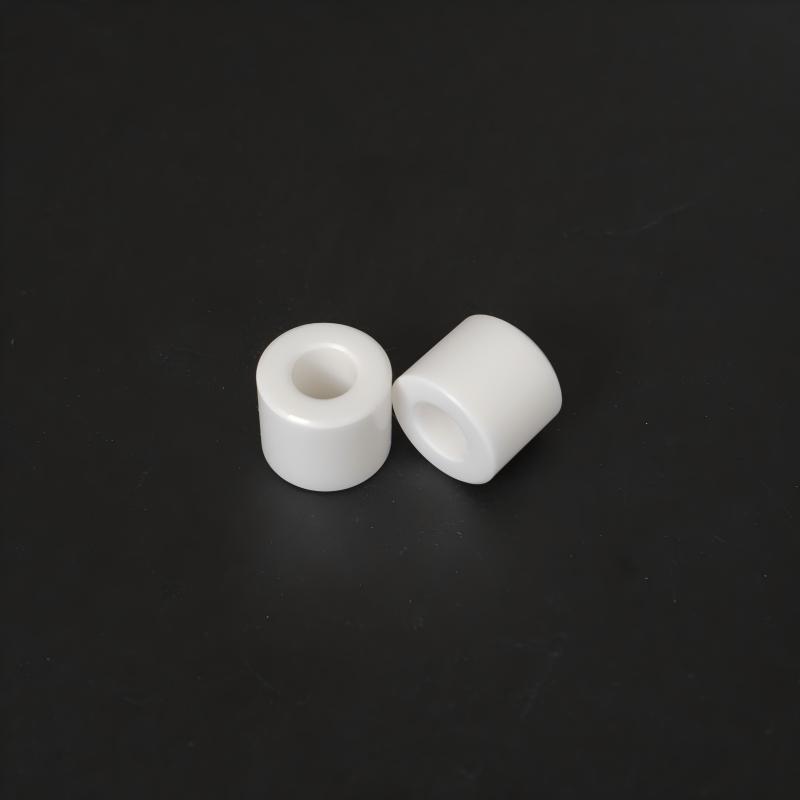
Advanced ceramics play a critical role in improving the safety of power batteries and energy storage batteries. High-purity alumina ceramic coating is widely applied on lithium-ion battery separators as a heat-resistant barrier, restraining thermal runaway and reducing the risk of short-circuit and fire. Zirconia and alumina wear-resistant ceramic parts are used in lithium battery production equipment, including ceramic rollers, guide pins, sealing plungers and slurry control valves for coaters, slitting machines and winding machines. These ceramics resist electrolyte corrosion and abrasive wear, avoid introducing metallic contamination into slurry and guarantee high precision during electrode processing. Alumina insulating rings and ceramic positioning bases are adopted for insulation isolation in cells, modules and PACK assemblies to prevent high-voltage leakage.
2. Supporting Components for Photovoltaic Manufacturing
Advanced ceramics are widely used in solar cell production and photovoltaic inverters. Silicon carbide and alumina ceramics are manufactured into diffusion tubes, wafer carriers and ceramic boats. In high-temperature diffusion, etching and coating processes, they withstand heat and corrosive process gases without contaminating silicon wafers. Aluminum nitride and alumina ceramic substrates inside inverters provide insulation and heat dissipation for power devices. Ceramic vacuum nozzles and locating pins are used for automated wafer handling and transfer. They are wear-resistant and clean, preventing scratches on delicate silicon wafers.
3. Fuel Cells and Hydrogen Energy Equipment
Proton exchange membrane fuel cells and water electrolysis hydrogen production devices run continuously in corrosive media including hydrogen, oxygen and acidic or alkaline electrolytes. Silicon nitride and silicon carbide ceramics are used as bipolar plate supports, insulating frames, pipeline linings and friction sealing pairs. Porous ceramics can serve as gas diffusion media. Ceramics resist hydrogen embrittlement and chemical attack with stable dimensions, ensuring long-term stable operation of stacks. In hydrogen refueling stations, zirconia valve cores and seats withstand erosion from high-pressure hydrogen and extend the service life of refueling equipment.
4. Thermal and Insulating Parts for Power Modules, Inverters and EV Chargers
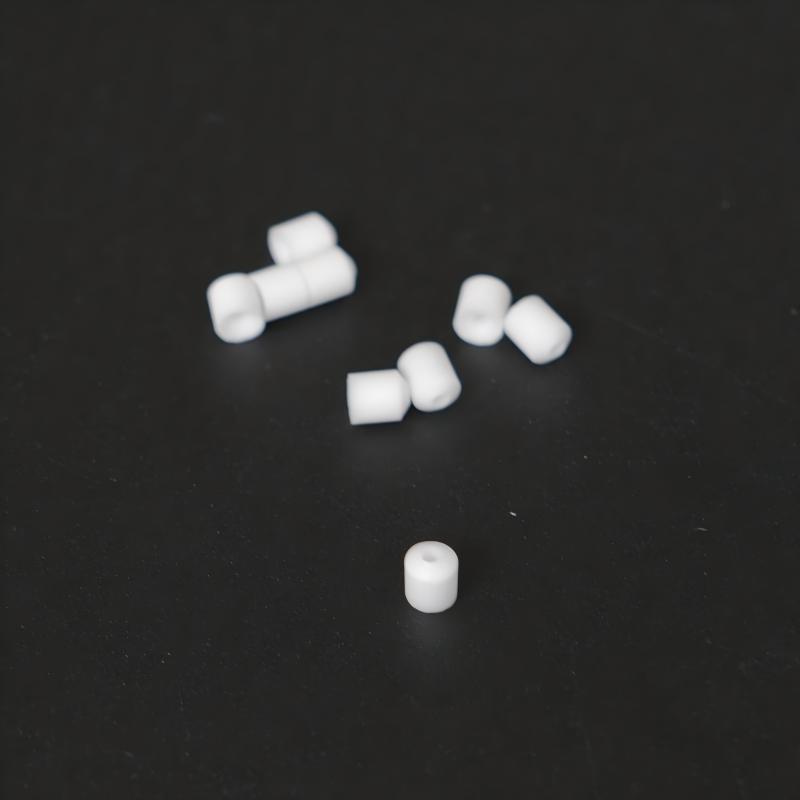
Silicon carbide and gallium nitride power modules, photovoltaic inverters, energy storage converters and high-voltage charging piles face dual challenges of high-voltage insulation and heat dissipation. Aluminum nitride ceramic substrates are the preferred thermal management material, combining outstanding thermal conductivity and insulation to dissipate heat rapidly and isolate high voltage. Alumina substrates are widely used for medium and low-power modules, charging pile insulating bases and terminal blocks. Ceramic thermal structures and insulating sleeves can endure high-frequency and high-voltage surges to keep power electronic equipment running reliably.
5. Wind Power and Power Transmission Components
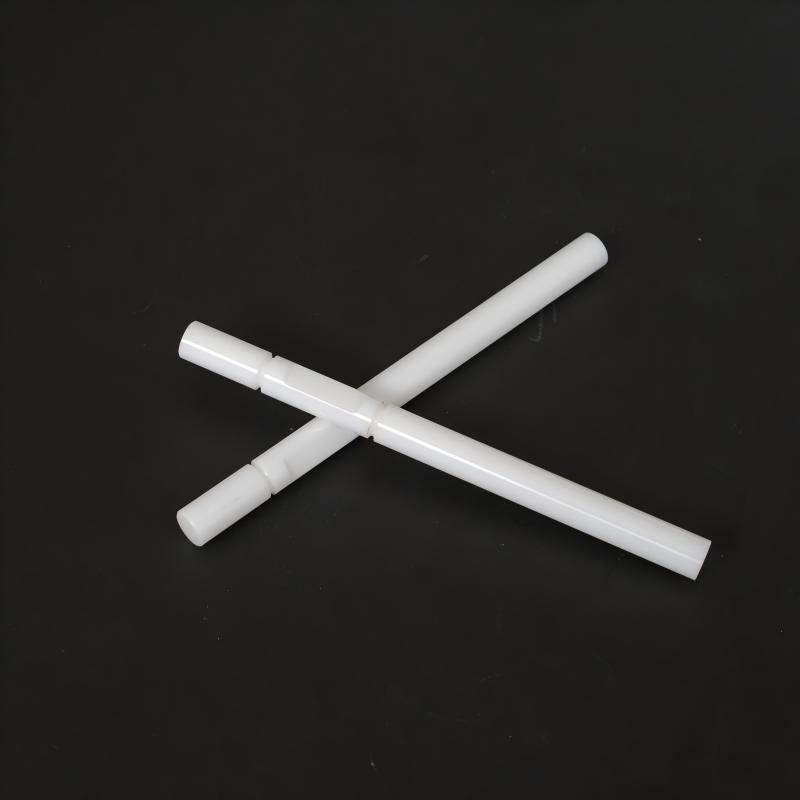
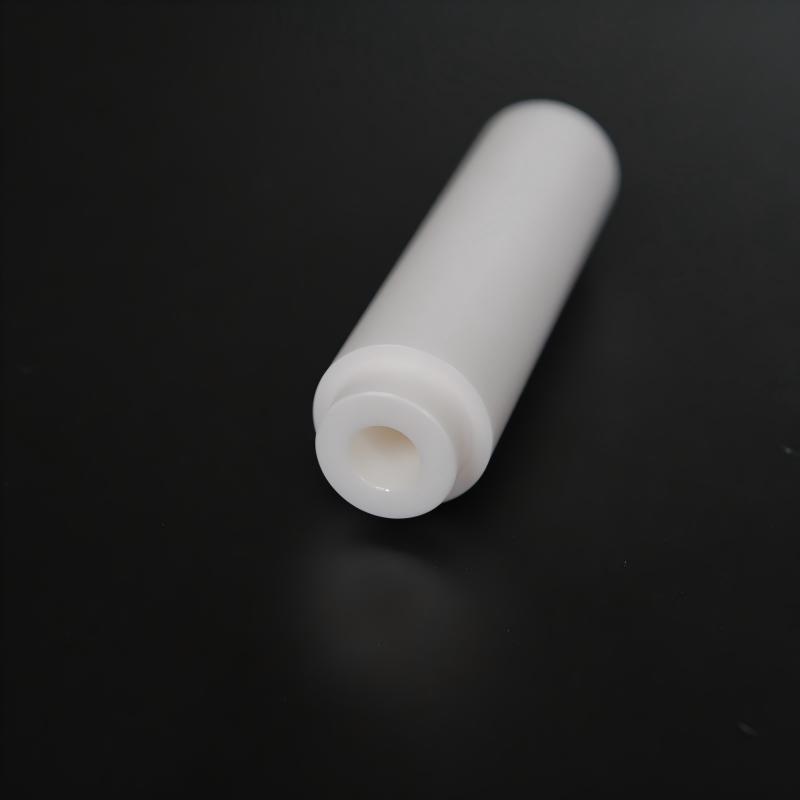
Alumina insulators, ceramic bearings and wear-resistant ceramic bushings are commonly installed in wind turbine pitch control and converter systems. Ceramic substrates dissipate heat and insulate power modules inside wind converters. In dusty and humid outdoor environments, ceramic bearings outperform metallic counterparts in wear and corrosion resistance and cut maintenance work. Ceramic insulating tubes and supports inside fuses and surge arresters secure insulation reliability for new energy power grids.
Industry Benefits and Outlook
Advanced ceramics mitigate major risks including thermal runaway, electric leakage, abrasive wear and contamination, boosting equipment safety, energy density and service life. As solid-state batteries, high-power SiC inverters and green hydrogen electrolyzers move toward mass production, demand for ultra-pure, ultra-thin and precision ceramic components keeps rising. R&D priorities include ultra-thin AlN substrates, toughened ceramic composites and complex near-net-shape ceramic parts, aiming to reduce manufacturing costs. Advanced ceramics will continuously help the whole new energy chain achieve cost reduction and efficiency improvement.
Conclusion
From lithium battery safety protection, photovoltaic wafer processing and hydrogen fuel cell stacks, to power heat dissipation substrates and wind power converters, advanced ceramics integrate insulation, thermal conduction, corrosion and wear resistance across new energy manufacturing and application links. They are indispensable foundational materials for the safe and efficient growth of the new energy sector.