English
 English


The biomedical industry imposes stringent standards on biomaterials, including biocompatibility, chemical stability, cleanliness and sterilization resistance. Qualified materials must be non-toxic, inhibit bacterial growth, and withstand repeated sterilization processes such as autoclaving, ethylene oxide treatment and gamma irradiation. Advanced ceramics represented by alumina, zirconia, hydroxyapatite and silicon nitride possess outstanding advantages: non-cytotoxicity, acid and alkali resistance, high wear resistance and tunable surface hydrophilicity. They are widely adopted in orthopedic implants, dental restorations, medical device components, bioseparation and laboratory consumables, and have become essential materials for modern biomedical industries.
1. Orthopedic Implants and Bone Regeneration
Zirconia-toughened alumina and silicon nitride are leading structural ceramics for load-bearing orthopedic implants. They feature high strength, excellent wear resistance and bone-matched elastic modulus. Typical products include femoral heads for hip prostheses and bearing inserts for knee replacements. They minimize wear debris generated by friction, lowering the risks of prosthesis loosening and aseptic inflammation. Hydroxyapatite and tricalcium phosphate are bioactive ceramics whose chemical composition resembles the inorganic phase of human bone. After implantation, they facilitate bone ingrowth and osseointegration, and are commonly used for bone defect filling, spinal fusion and bone scaffolds.
2. Dental Restorations
Zirconia is the most widely applied advanced ceramic in dentistry. It combines high mechanical strength, favorable translucency and excellent biocompatibility, making it ideal for all-ceramic crowns, bridges, implant abutments and superstructures. Unlike metal-ceramic restorations, zirconia releases no metallic ions and avoids dark gum lines, delivering superior aesthetic outcomes. It also resists erosion by acidic and alkaline substances in the oral environment for long-term service. High-purity alumina ceramics are also used for dental implant abutments and wear-resistant tips of dental instruments.
3. Precision Components for Medical Devices
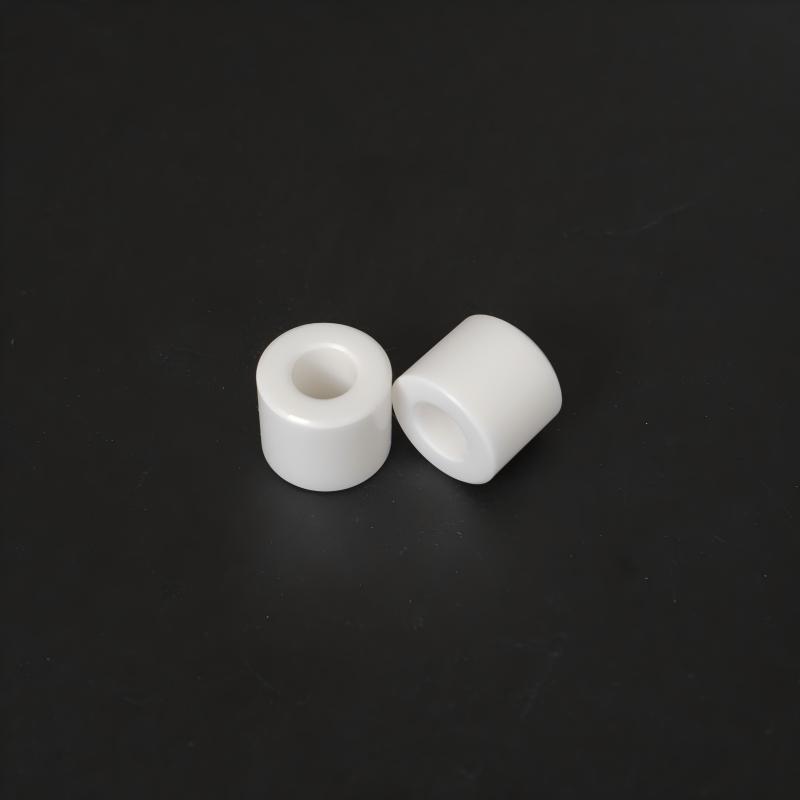
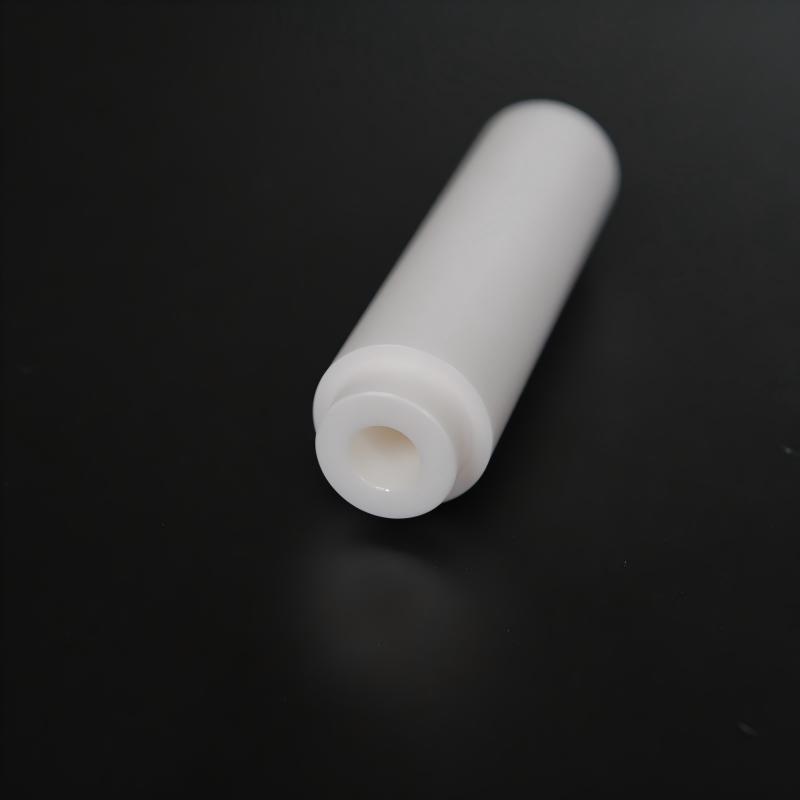
Advanced ceramics are widely used in minimally invasive surgical tools and analytical instruments. Alumina and zirconia are fabricated into wear-resistant cutting edges of surgical scissors, needle holders, ceramic needles and biopsy puncture cores. In infusion systems and hematology analyzers, ceramic valve spools, plungers and sealing rings offer great wear and chemical resistance. They ensure accurate microfluidic delivery and remain stable when exposed to pharmaceutical liquids. Ceramic insulators and positioning sliders are applied in electrosurgical and laser medical equipment, satisfying requirements for electrical insulation, heat resistance and high precision. The dense, smooth ceramic surface prevents residue adhesion and supports repeated hospital sterilization.
4. Bioseparation, Filtration and Biological Scaffolds
Porous advanced ceramics such as porous alumina and silicon carbide ceramic membranes feature controllable pore structures and tolerance to high temperature and organic solvents. They are used for biopharmaceutical purification, sterile filtration, cell separation and protein concentration. Ceramic membranes can undergo in-situ thermal sterilization and aggressive chemical cleaning, with a far longer service life than polymeric membranes. They are extensively deployed in the purification of vaccines, antibodies and active pharmaceutical ingredients. Meanwhile, porous bioceramics serve as cell culture scaffolds for tissue engineering research.
5. Laboratory Consumables and IVD Components
Advanced ceramics form core parts for biochemical analyzers and in-vitro diagnostic (IVD) equipment, including ceramic pump bodies, micro-metering valves, reaction bases and optical reference plates. Chemically inert ceramics do not react with reagents, serum or staining solutions, preventing interference with test signals and ensuring consistent and reliable diagnostic results.
Industry Benefits and Outlook
Advanced ceramics overcome key limitations of polymers (poor long-term sterilization resistance) and metals (ion leaching and corrosion). They improve the long-term safety of implants, the precision of medical instruments and cleanliness in pharmaceutical manufacturing. Ongoing research focuses on gradient composite bioceramics, antibacterial modified ceramics and resorbable calcium phosphate ceramics. Driven by advances in tissue engineering, minimally invasive surgery and high-end biopharmaceutical manufacturing, the application scope of advanced ceramics in biomedicine will keep expanding.
Conclusion
From implantable bone and dental restorations, precision surgical devices, to pharmaceutical separation and purification, advanced ceramics deliver reliable material solutions for medical implants and biomanufacturing, thanks to their superior biosafety, wear and corrosion resistance, and excellent sterilization tolerance. They act as a vital material foundation for the high-quality development of biomedicine.